

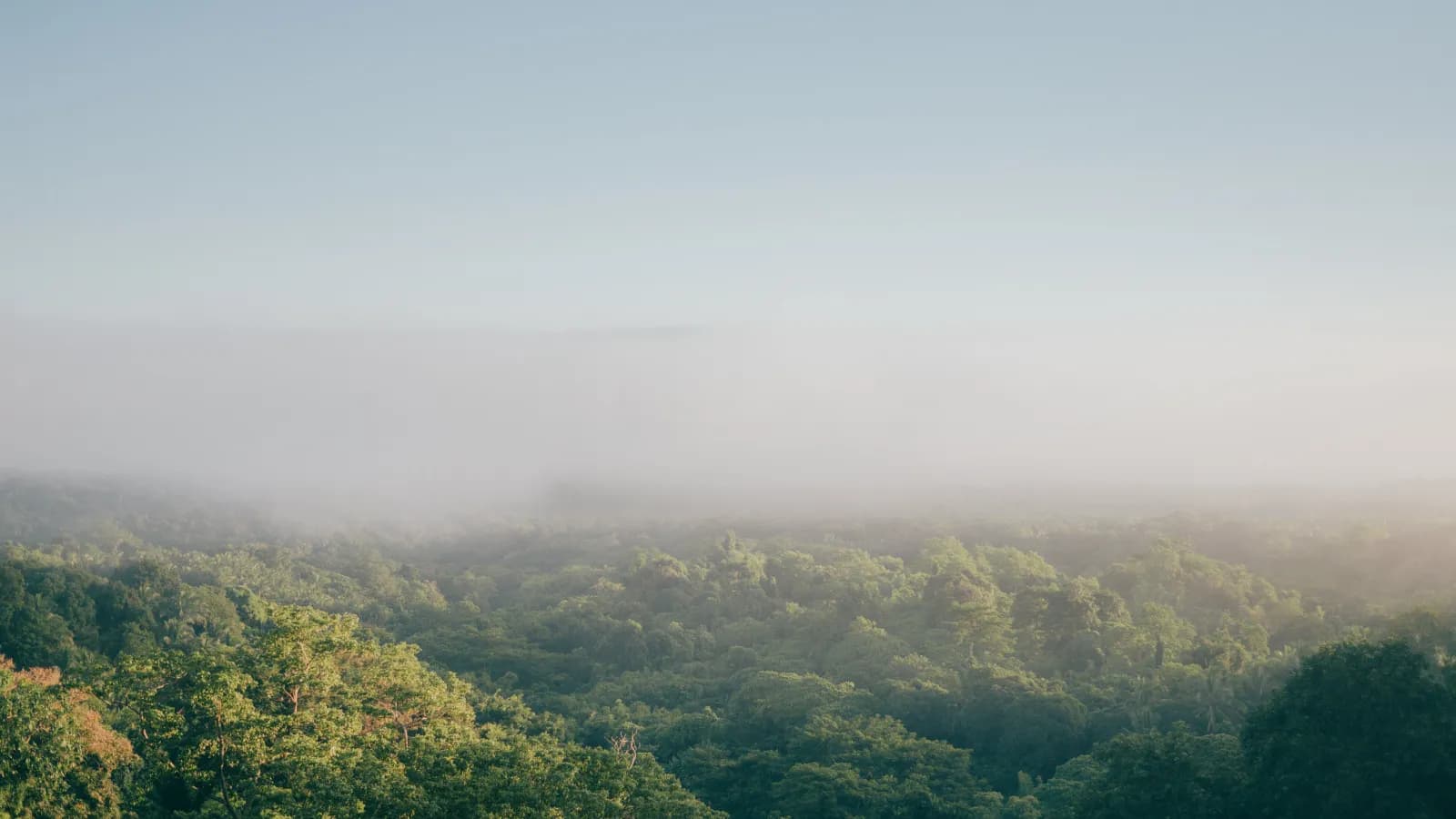
Permanent carbon removal, built at industrial scale.
11BIO builds and operates biochar plants that turn waste biomass into verified carbon removal and high-value products for agriculture and land restoration.
Who we are
Waste biomass already holds carbon pulled from the air. We lock it into a solid that stays put.
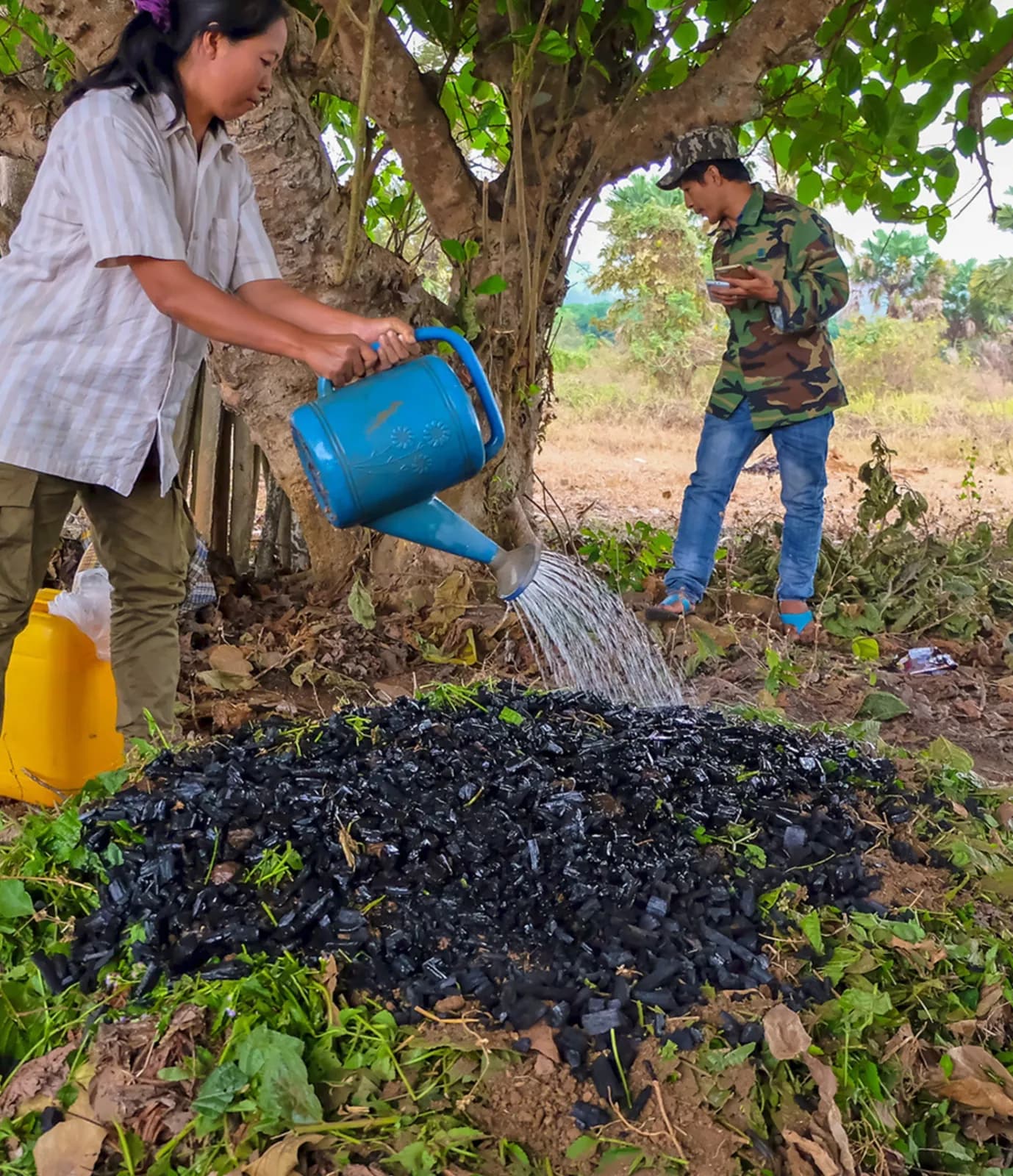
At 11BIO we build and operate biochar plants that convert agricultural and forestry residues into biochar, a stable, carbon-rich material. Locking that carbon into a solid keeps it out of the atmosphere. We turn that storage into verified carbon removal credits for companies that need credible climate solutions, and the biochar goes back to work in agriculture and land restoration.
Permanent carbon removal
Carbon stored in stable biochar, measured and verified by independent auditors.
Healthier, more resilient soils
Biochar improves soil fertility and water retention wherever it is applied.
Waste turned into value
Residues that would be burned or left to rot become a product with two markets: carbon removal and soil.
Biochar
What biochar is
Biochar is a stable, carbon-rich material made by heating organic waste such as wood, crop residues or forestry byproducts in a low-oxygen environment. This process, called pyrolysis, stops the carbon from escaping into the atmosphere and locks it into a solid form. In soil, biochar improves fertility, water retention and resilience while keeping that carbon stored.
Why biochar credits are in demand
A carbon credit represents one metric ton of carbon dioxide removed from the atmosphere or kept out of it. Not all credits are equal: quality depends on permanence, verification and real impact. Biochar removal credits are considered among the highest quality available because they store carbon for the long term. Demand is growing so fast that some biochar producers have sold out their annual credit supply in advance.
How it works
From waste biomass to verified carbon removal
Every 11BIO plant follows the same four steps.
Source local residues
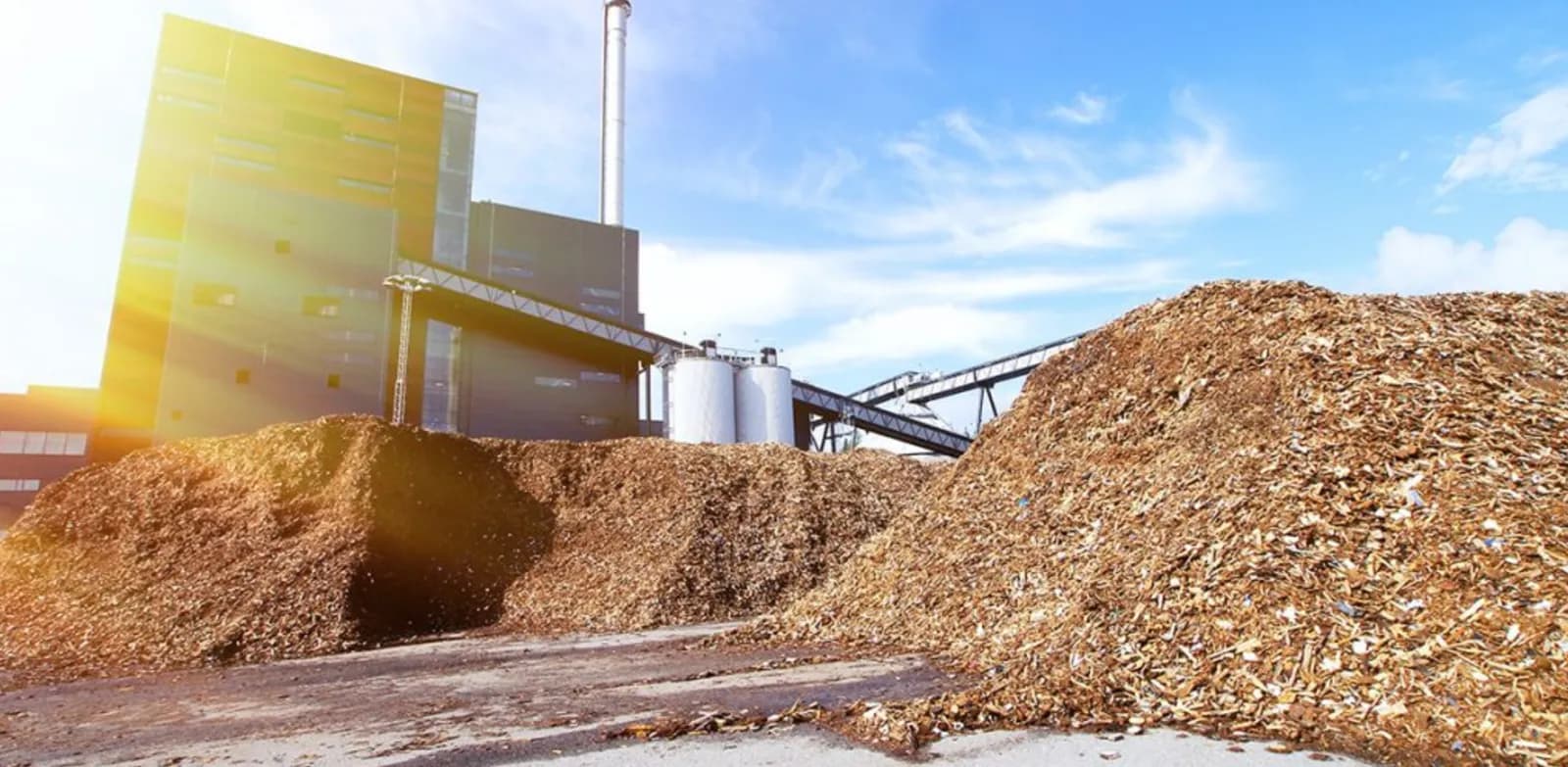
We secure long-term supplies of agricultural and forestry residues, such as coffee husks, sugarcane bagasse, corn stover, wood waste and date palm waste, at low or no cost and close to the plant.
Convert by pyrolysis
Continuous pyrolysis heats the biomass without oxygen, so the carbon it holds becomes biochar instead of returning to the atmosphere as CO₂.
Lock carbon into biochar
The result is a stable, carbon-rich solid. Applied to soil, it keeps that carbon stored for the long term while improving fertility and water retention.
Verify and deliver
Independent auditors verify the carbon stored. The credits go to companies with climate commitments, and the biochar goes to agriculture and land restoration.
By the numbers
One 11BIO plant, by the numbers
Design figures for our standard 25-ton-per-day plant. Actual output depends on feedstock and certification factors.
- Waste biomass processed
- 25 tons a day
- Operating hours
- About 7,200 a year
- Biochar produced
- 1,600–1,800 tons a year
- Carbon removal credits
- 3,700–4,900 a year
- Energy
- Self-sufficient
- Design life
- 20–30 years
- Site selection to first credits
- 10–12 months
- Next scale
- 50 tons a day: 3,200–3,600 tons of biochar and 7,500–10,000 credits a year
Global missions
One proven plant design, built across four regions.
We build where feedstock is abundant, buyers need credible carbon removal and soils need help.





Integrity
Integrity built into every plant.
Carbon removal only matters if it is real. These principles shape how every 11BIO project is designed, financed and run.
Independently verified
Every project is designed for monitoring, reporting and third-party verification under leading international standards.
Ring-fenced by design
Each plant is a standalone asset with its own cash flows, ring-fenced for the investors who fund it.
Transparent reporting
Ownership is recorded on a blockchain registry, with regular operational and financial reporting.
Disciplined execution
Proven technology, standardized plants, conservative timelines, and capital deployed only when a plant is fully funded.
Investors
An asset designed to pay out for decades.
Investors own a share of a real, revenue-generating biochar plant, with projected distributions throughout its 20–30-year operating life.
- USD 100,000
- Minimum investment
- 1.2–2.1 years
- Estimated capital recovery
- 20–30 years
- Projected distributions
Impact
More than carbon
Energy that stays local
Our plants run on their own syngas and recovered heat and are expected to produce surplus electricity, which we share with nearby farms for irrigation, cold storage and processing.
Soils that hold water
Biochar improves soil fertility, water retention and resilience, from tropical farmland to desert agriculture.
Partnerships that last
Sharing energy and value with local partners secures land and feedstock for the long term and builds lasting community relationships.
Partners
Who we work with
Carbon removal buyersSecure verified, durable removal credits through pre-purchase and multi-year offtake agreements.
Biochar buyersSource biochar for agriculture, land restoration and environmental projects.
Feedstock and land partnersTurn agricultural and forestry residues into income and shared energy.
Governments and institutionsAdvance land restoration, food security and decarbonization goals.
InvestorsOwn a share of a revenue-generating biochar plant with projected distributions for 20–30 years.
Contact
Let's turn waste into lasting climate solutions.
Tell us what you are working on, whether you are a buyer, partner, government or investor, and the right person on our team will get back to you.